Exploring the Cost: Price to Lay Pavers
Diving into the world of laying pavers, this introduction sets the stage for an in-depth look at the factors influencing pricing, types of pavers available, labor costs, and additional expenses. With a mix of informative insights and practical tips, readers are sure to gain a comprehensive understanding of the topic.
Factors affecting the price to lay pavers

When it comes to determining the cost of laying pavers, several factors come into play that can influence the overall price.
Type of Pavers Selected
The type of pavers chosen for the project can have a significant impact on the total cost. High-end materials like natural stone or interlocking concrete pavers will generally be more expensive compared to basic concrete pavers.
Size of the Area to be Paved
The size of the area to be paved is another crucial factor in determining the price. Larger areas will require more materials and labor, which can drive up the overall cost of the project.
Labor Costs
Labor costs play a vital role in the total price of laying pavers. The complexity of the design, the skill level required, and the time needed to complete the project will all affect the labor costs involved.
Types of pavers and their price range

When it comes to pavers, there are various types available in the market, each offering different aesthetics, durability, and price points. Understanding the price range for popular paver materials like concrete, brick, and natural stone can help you make an informed decision based on your budget and desired outcome.
Concrete Pavers
Concrete pavers are a budget-friendly option that offers versatility in design and color options. The price range for concrete pavers typically falls between $3 to $10 per square foot, making them an affordable choice for many homeowners.
Brick Pavers
Brick pavers exude a classic and timeless look and are known for their durability. The price range for brick pavers is slightly higher, ranging from $8 to $15 per square foot. While they may cost more than concrete pavers, their longevity and charm make them a popular choice for many outdoor projects.
Natural Stone Pavers
Natural stone pavers, such as flagstone or travertine, offer a luxurious and high-end look to any outdoor space. The price range for natural stone pavers can vary significantly, starting from $15 per square foot and going up to $30 or more, depending on the type of stone and quality.
While natural stone pavers are more expensive, they add a touch of elegance and sophistication to your landscape.
Quality and Pricing
It is essential to consider the quality of pavers when assessing their pricing. Higher quality pavers, whether concrete, brick, or natural stone, tend to be more durable, have better color retention, and require less maintenance over time. While they may come with a higher price tag initially, investing in quality pavers can save you money in the long run by avoiding frequent replacements or repairs.
Labor costs and pricing considerations

When it comes to laying pavers, labor costs are a significant factor in the overall pricing. Labor costs are typically calculated based on the square footage of the area to be paved, the complexity of the design, and the time required to complete the project.
Importance of hiring experienced professionals
It is crucial to hire experienced professionals for paver installations to ensure the job is done correctly and efficiently. Experienced professionals have the necessary skills and knowledge to handle the intricacies of paver installation, resulting in a high-quality finished product.
Average labor costs associated with laying pavers
- On average, labor costs for laying pavers range from $5 to $10 per square foot.
- Complex designs or intricate patterns may increase labor costs.
- Additional factors such as site preparation, leveling, and sealing can also impact labor costs.
Tips to reduce labor costs without compromising on quality
- Plan ahead and have a clear design in mind to minimize time spent on decision-making during the installation process.
- Choose pavers that are easier to install, such as interlocking pavers, to reduce labor time.
- Consider DIY options for simpler projects, but ensure you have the necessary skills and tools to complete the job effectively.
Additional costs to consider when laying pavers
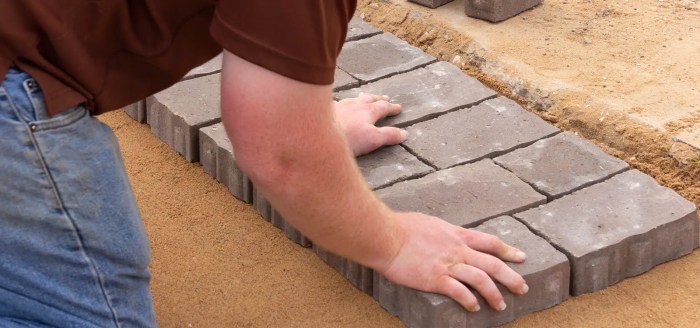
When planning for a paver installation project, it's important to factor in additional costs beyond just the pavers and labor. These extra expenses can vary depending on the specifics of your project and can significantly impact your overall budget. Let's delve into the various additional costs to consider when laying pavers.
Equipment Rental Costs
When laying pavers, you may need to rent specific equipment such as compactors, saws, or excavators to properly prepare the site and install the pavers. Equipment rental costs can add up quickly, so it's essential to budget for these expenses accordingly.
Site Preparation Expenses
Site preparation plays a crucial role in the success of your paver installation project. Costs related to site preparation can include excavation, grading, and the removal of any existing materials. Depending on the condition of your site, these expenses can vary and should be factored into your overall budget.
Finishing Touches and Sealants
After the pavers are laid, you may consider adding finishing touches such as edge restraints, joint sand, or sealants to enhance the durability and aesthetics of your paver surface. These finishing touches come with additional costs that should be accounted for in your budget.
Impact of Site Accessibility and Complexity
The accessibility and complexity of your site can also impact the additional costs associated with laying pavers. Sites that are difficult to access or require extensive preparation work due to complex layouts can result in higher expenses. It's important to assess these factors beforehand to avoid any unforeseen costs.
Budgeting for Unforeseen Expenses
During the paver installation process, unexpected challenges or issues may arise that require additional expenses. To mitigate the impact of unforeseen costs, it's advisable to allocate a contingency fund within your budget. This will help you address any unexpected circumstances without jeopardizing the completion of your project.
Final Thoughts

In conclusion, the journey through the intricacies of laying pavers sheds light on the key considerations and costs involved in this process. From selecting the right materials to managing labor expenses, this discussion equips readers with the knowledge needed to make informed decisions when embarking on a paver installation project.
User Queries
What are some factors that affect the price to lay pavers?
Factors such as the type of pavers chosen, the size of the area to be paved, and labor costs all play a role in determining the overall price.
How can the quality of pavers impact their pricing?
Higher quality pavers often come with a higher price tag due to their durability and aesthetic appeal, while budget-friendly options may sacrifice some quality for a lower cost.
What are some additional costs to consider when laying pavers?
Aside from pavers and labor, expenses like equipment rental, site preparation, and finishing touches should also be factored into the budget. Factors like site accessibility and complexity can also lead to unforeseen expenses.